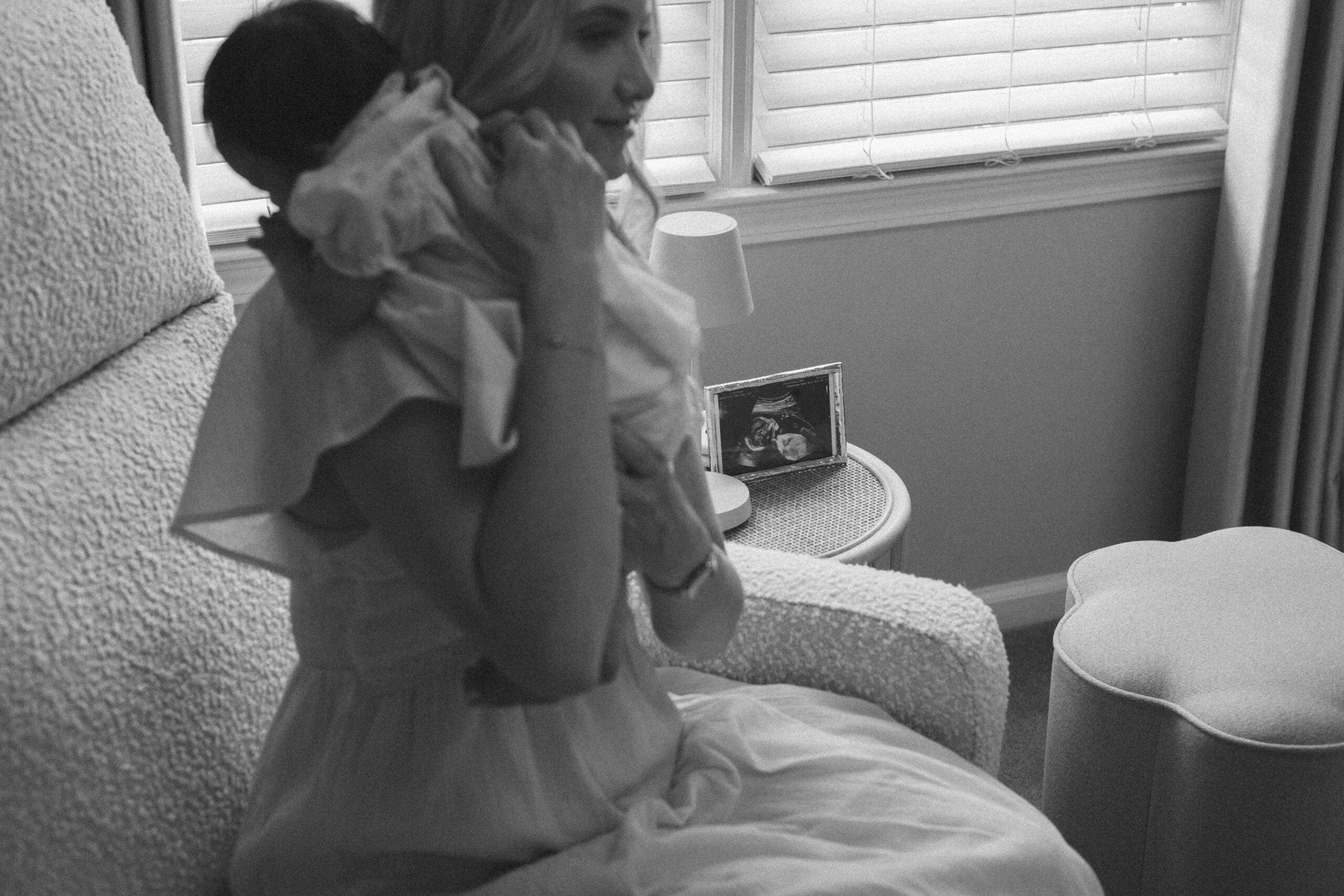


My most recent inquiry asked if I could keep their images private and off of social media. If this was earlier in my photography career, I would’ve been sad and possibly fought back of ownerships and rights. However, being ten years strong into my career, I firmly believe privacy is more important than sharing.
1. Always assure client safety
After I became a mom, I took a deeper and more personal look into my business practices and what I could do to keep families with children safe. After 2020, I knew I needed to do my part in keeping all of my clients, their children and their information safe. That’s why I turned my practices around, removed images and really focused on showcasing images that are creative and safe. My first step as a photographer, is to assure my clients that I never share images of children without parental permission and even then, it’s very rare that I share any full faces. I also never share gallery links or images with other family members. This could ruffle some feathers, but I firmly believe that my client should have the choice of sending their images to those they trust. (in other words, I’m sorry auntie but I won’t be sending the gallery to you). The second step is to inform. I let it be known on my website and social media that I truly do not mind keeping images private. I answer the questions my clients and inquiries are already asking themselves.
With the CRM I use, all my client images, video, and any identifying or sensitive information is safe and secure.
2. Learn how to work creatively
When I wanted to become a photographer, I took the time to learn poses that I could easily explain and walk my clients through. These were a series of poses that helped me deliver portraits my clients expected and a few creative, social media safe portraits. With my pivot to a documentary based, privacy first photographer, I learned how to watch more than I did instruct. I looked out for little moments and gave prompts that lead to natural, full body standing photo, looking right into my lens smiling. You know, the ones your parents print and hang on the walls.
Being a documentary and privacy first photographer almost goes hand in hand. If you learn to document organically where you are observing moments and you are capable of creating moments to tell their story, you should be able to capture moments that also ensure safety. How can you document a moment between a child and their mother? Focus on moms face from the childs perspective. You can instruct the kiddo to come to you and then run back to mom, while you the photographer documents the child running into their mothers arms. Moments like this help you create images that keep faces from being fully photographed and the parents can share this image safely, should they choose to do so.
3. Learn to catch and prompt emotional moments
My biggest flex as a photographer is knowing how to disarm my anxious clients, with my gift of gab, effortless engagement, and creating images that tell their story.
It was a lot of hard work at first. Stepping back from the typical poses and learning how to create authentic moments gave me a little fire in my work again, reigniting a passion for storytelling.
When shifting to documentary based, photographers need to learn to loosen up. If a photographer is stiff, unsure, or unwilling to step over the line of “normal”, They will not succeed in transitioning. I took the things I learned as a new mom wanting to document my growing family and my craft and used them to help me to engage with my clients. If you ask questions before taking photos, like asking a kid “what’s your favorite stuffie” or “do you know what you want to be when you grow up”, etc they will happily and willingly tell you. Kids want to be included, so include them! I often let them do their thing first, then capturing the ones mom and dad really want, eyes open and smiling at my lens.
The same can be said for working with adults who have no children, but have a private life. Engaging and asking questions leads to you learning how to become the perfect storyteller. An example of this could be the photographer asking a couple what they are enjoying most with your person. An answer as simple as “holding hands and laughing together” should immediately get the gears turning on how to prompt hold hands more or to watch for organic hand holding and laughing together.
Examples of documentary based portraits that are both creative and safe:
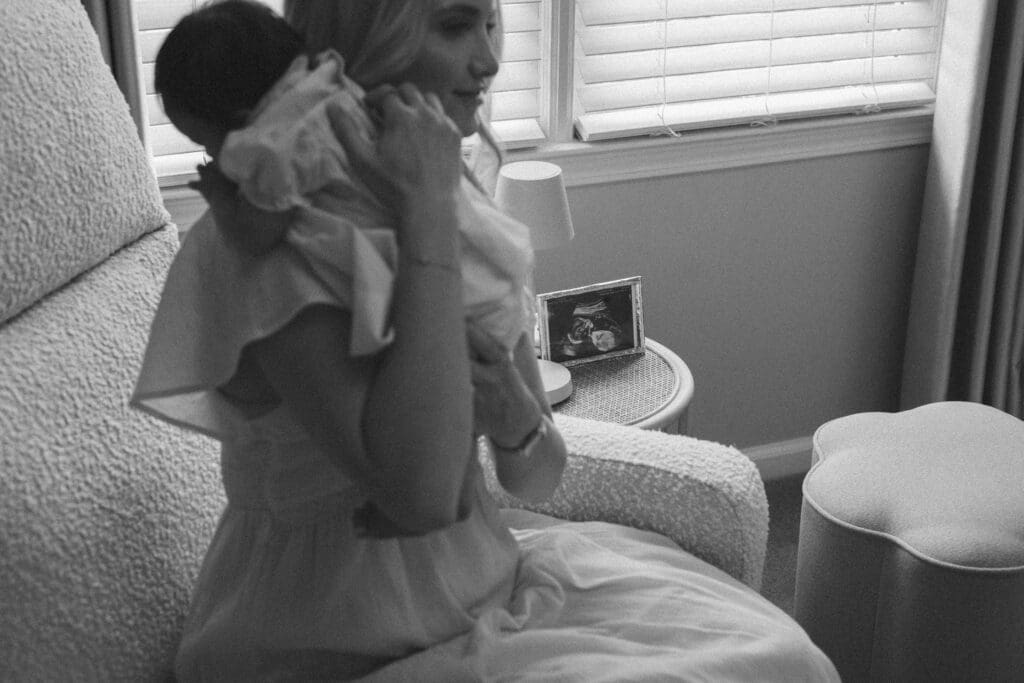

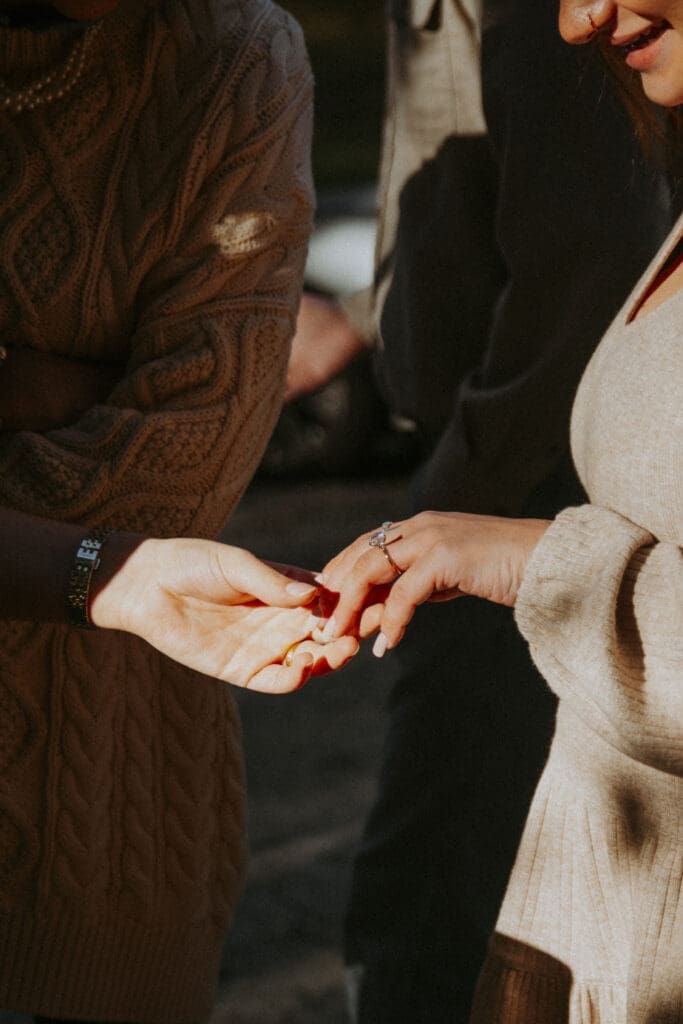
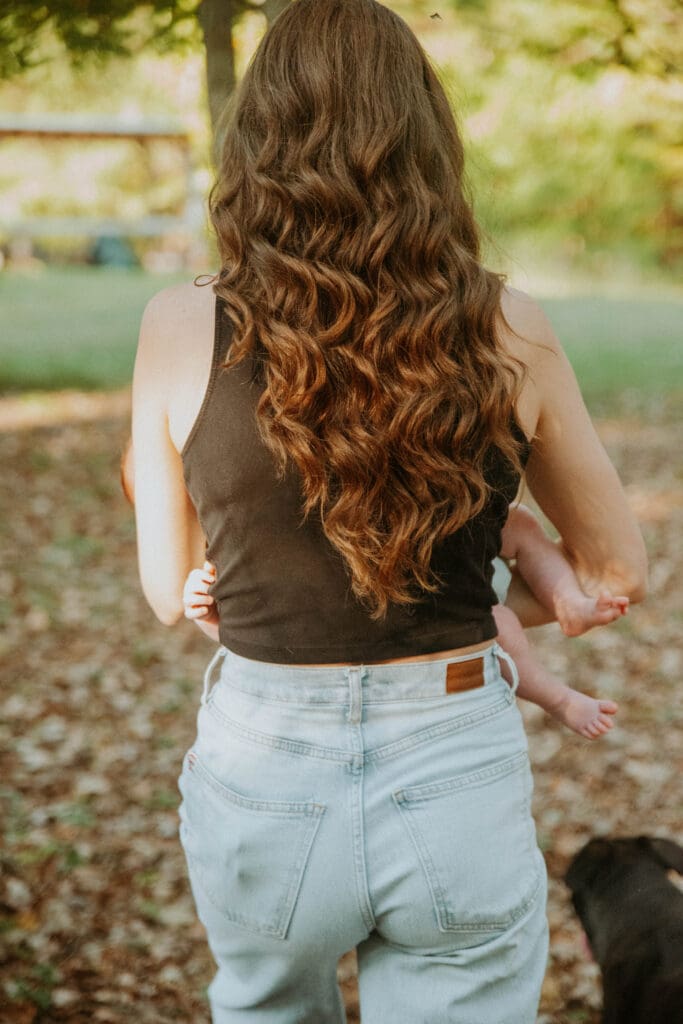
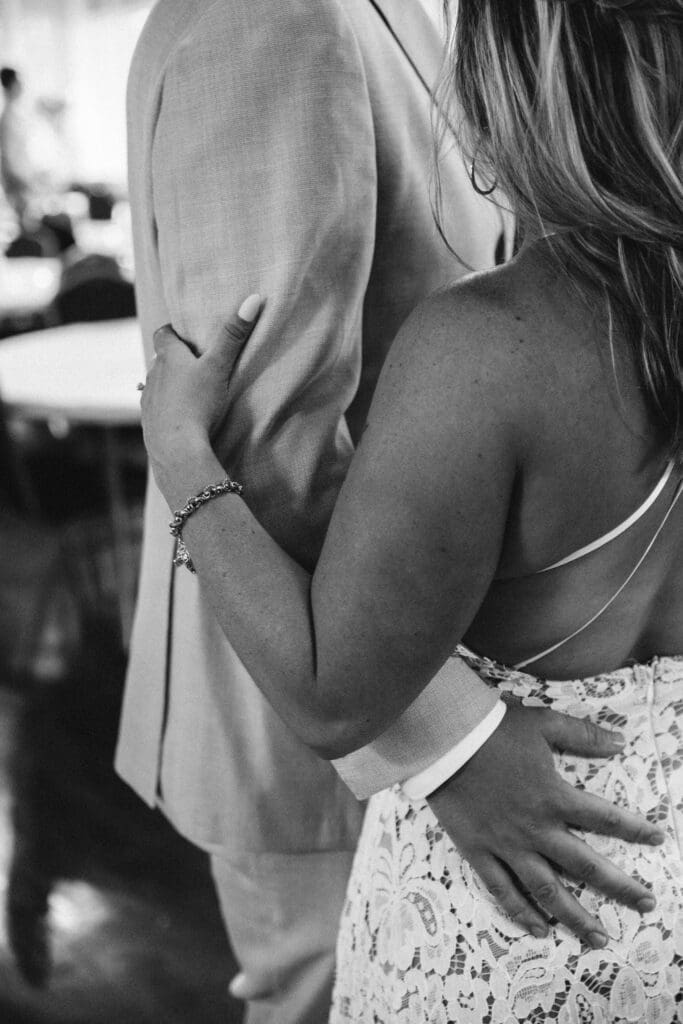
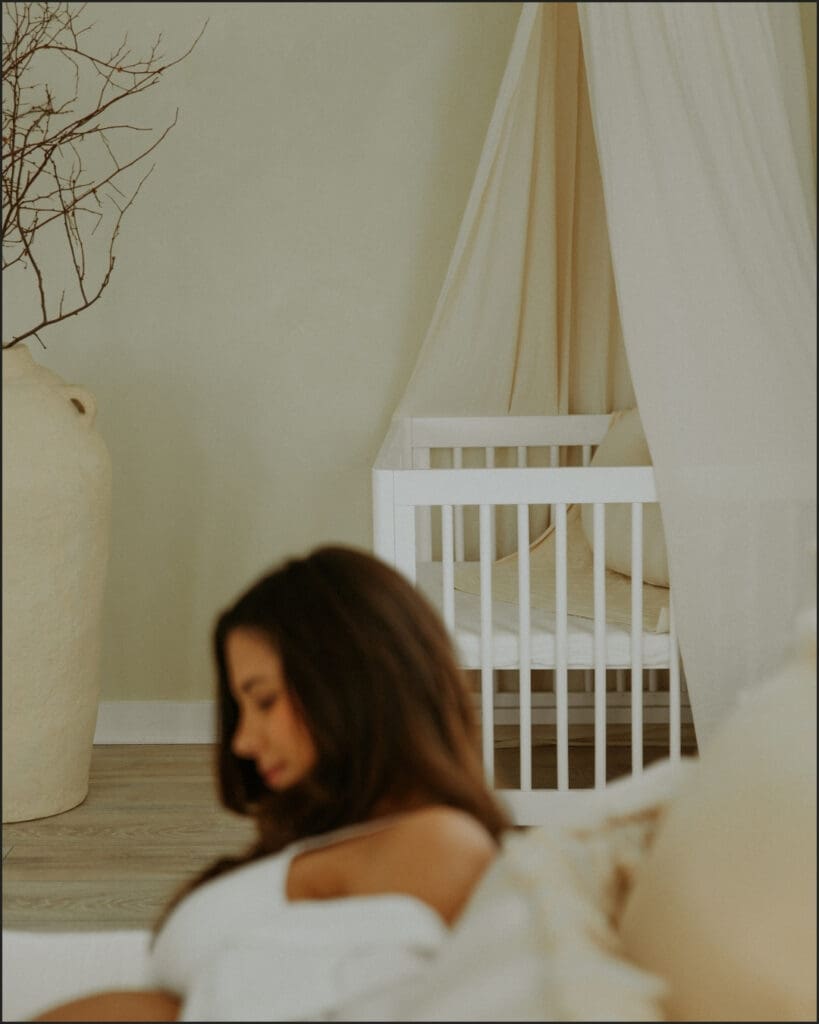
You can see more examples on my instagram!
As a photographer, my job is not just to look for the good light but is also to focus on what matters most to my clients and how to document that.
With so much love,
Kattie


